The New York Sun Features John Thomas on Petro, Cartels, and the Future of U.S.–Colombia Trust
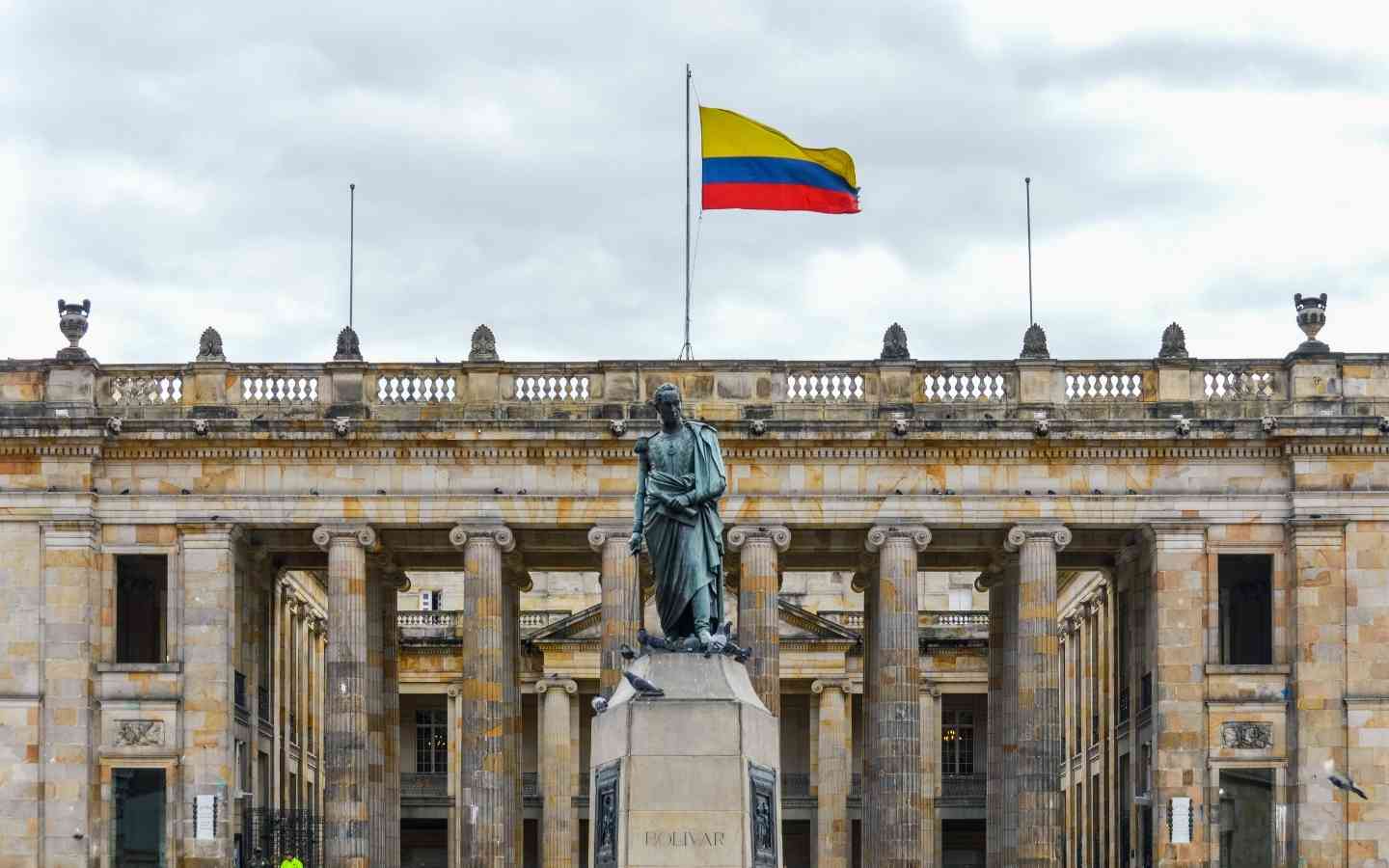
Washington, D.C., April 11, 2026 — In a recent article published by The New York Sun, Nestpoint Managing Director John Thomas commented on the fallout from reports that the Drug Enforcement Administration designated Colombian President Gustavo Petro a “priority target” as federal prosecutors examine alleged ties between Petro’s circle and powerful narcotics networks. The article presents the inquiry as an extraordinary moment in the long and often difficult history of U.S.–Colombia relations.
The report details allegations that Petro’s “total peace” framework may have been used to shield traffickers from extradition to the United States, including claims that representatives solicited bribes in exchange for protection from American justice. It also places those concerns in the broader context of rising cocaine production, sanctions on Petro’s inner circle, and longstanding questions about Colombia’s counternarcotics credibility.
In comments to The Sun, Thomas sharply criticized the use of “total peace” as a political and legal framework for dealing with cartel-linked actors.
“When ‘total peace’ becomes a get-out-of-jail-free card for the cartels, it’s not peace, it’s surrender,” Thomas said. “This severely erodes United States confidence in Colombia’s extradition system, which has been our most reliable tool against narco-traffickers for decades.”
The article argues that the implications extend well beyond a single investigation. For decades, Colombia has been a cornerstone of U.S. counternarcotics efforts in Latin America and a major security partner. Thomas warned that if the allegations surrounding Petro deepen, Washington may be forced to reassess that relationship in more fundamental terms.
“Colombia was long the cornerstone of United States counternarcotics efforts in Latin America, and this scandal risks turning a key ally into a liability,” Thomas told The Sun. “Recovery is possible only if Petro steps aside or decisively breaks with cartel-linked elements. Otherwise, the United States will have no choice but to shift resources, impose targeted sanctions, and treat Colombia as a compromised partner rather than a trusted one.”
The report also raises the question of what happens once Petro leaves office and the protections tied to sitting head-of-state status fall away. On that point, Thomas suggested the case could carry significance beyond Colombia itself.
“Charging a sitting or former head of state would set a clear precedent: the United States will not grant immunity to foreign leaders who enable drug trafficking into American communities,” Thomas cautioned.
As presented in The New York Sun, the Petro case is no longer only about one investigation or one presidency. It may also become a test of how far Washington is willing to go when a longtime regional partner is seen as compromised at the highest levels. Thomas’s remarks frame that possibility in both strategic and institutional terms, suggesting that the outcome could shape not only U.S.–Colombia relations, but broader expectations for accountability among foreign leaders linked to cartel influence.
The full article, “Why the Drug Enforcement Agency Designated President Petro of Colombia a ‘Priority Target,’” was published by The New York Sun on April 11, 2026. You can read it here.
About Nestpoint
Nestpoint, with a global footprint and a formidable presence in Washington, D.C., is a leading government affairs, finance, and private equity firm. As a strategic ally, Nestpoint transforms challenges into opportunities through its expertise in policy influence, global networks, and financial innovation, delivering customized solutions for sustained client success. Nestpoint advises multibillion-dollar companies in the manufacturing, energy, and technology sectors as well as foreign nations.