Nestpoint's John Thomas Analyzes Campaign Advertising and Key Midterm Races on CNN
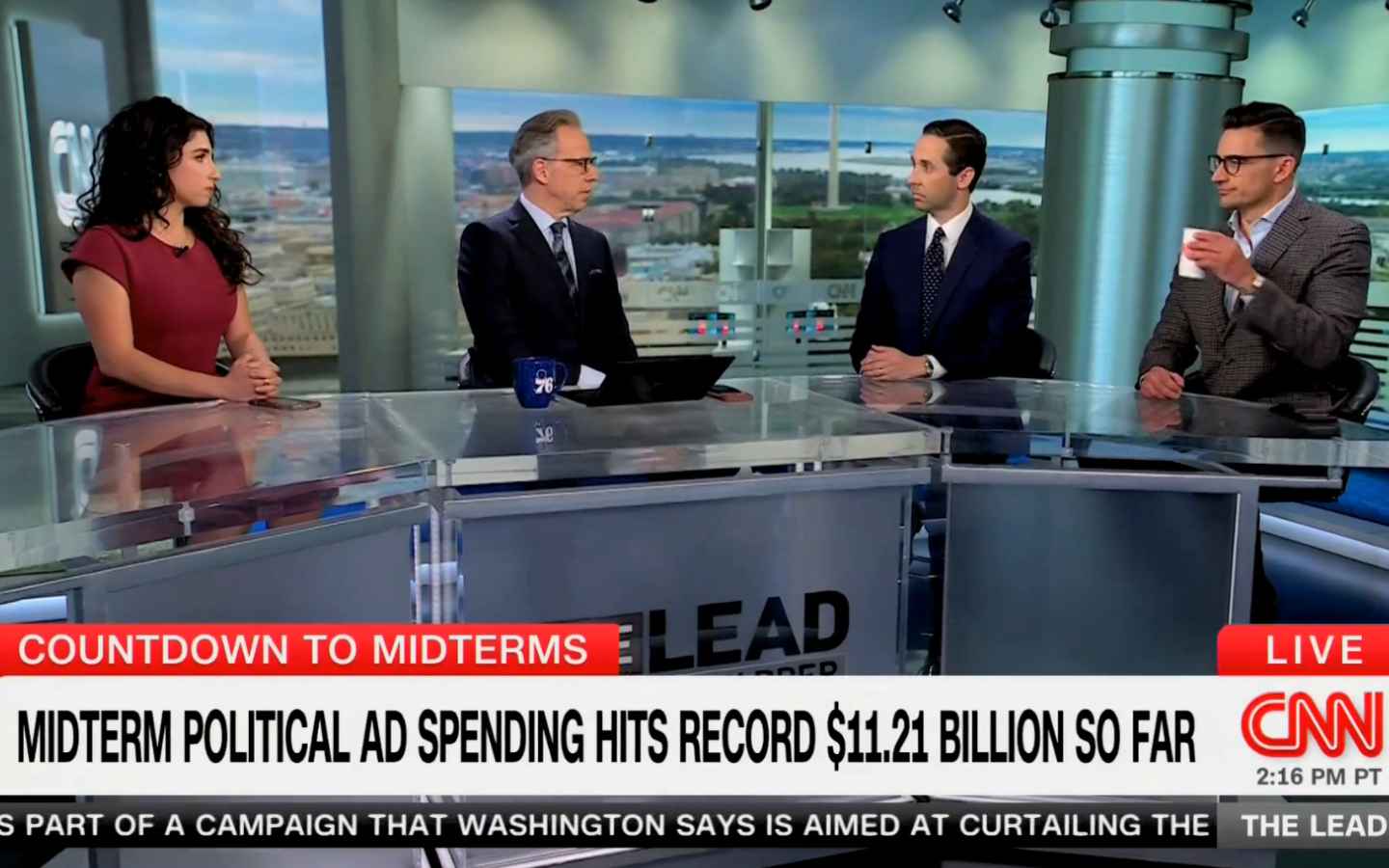
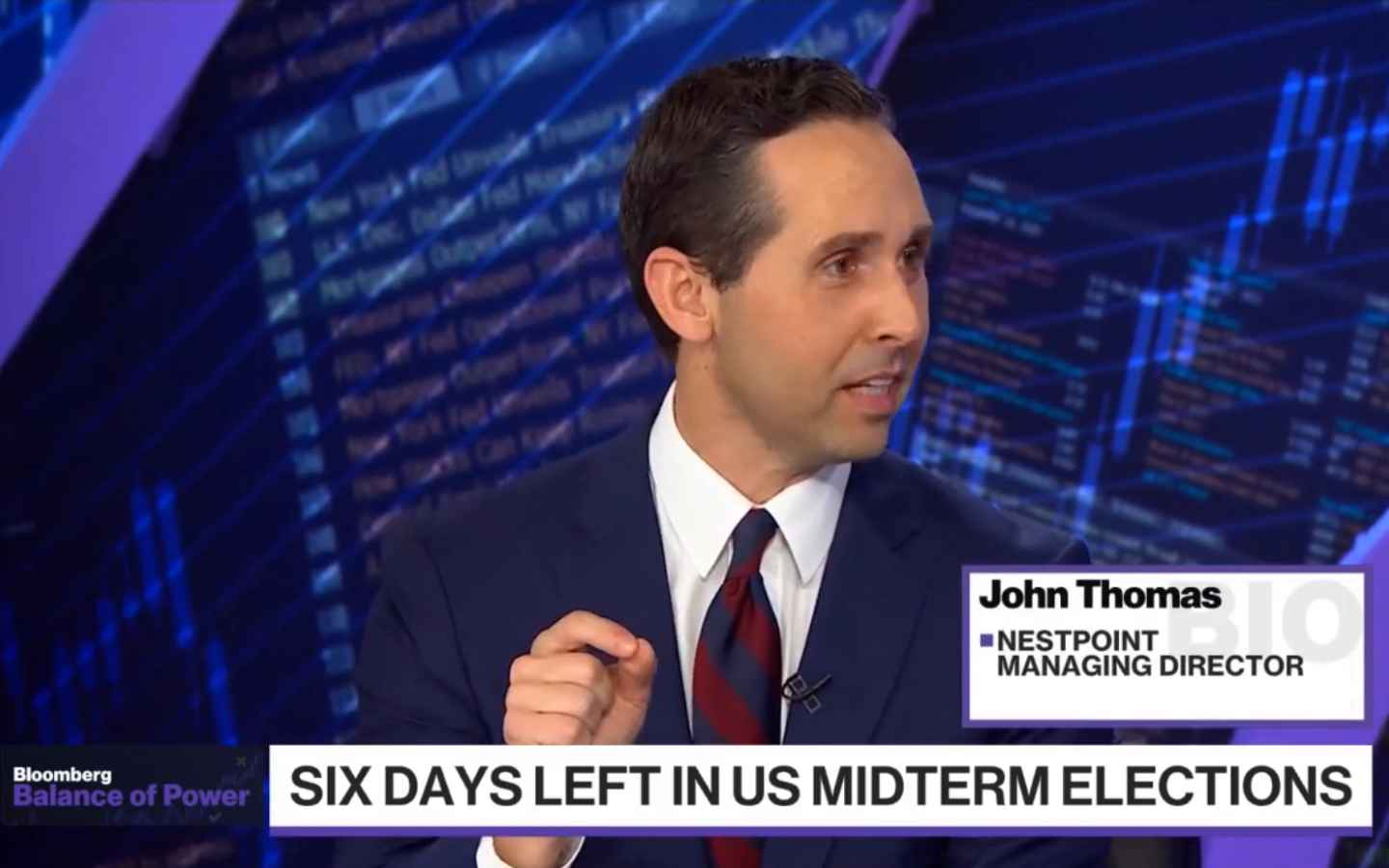
Washington, D.C., October 27, 2026 — The final weeks of an election can reveal important shifts in campaign strategy, particularly when candidates decide whether to close with positive messaging or sharpen their attacks on opponents. Nestpoint Managing Director and Republican political strategist John Thomas joined a CNN panel to examine those decisions in two closely watched races in Ohio and Maine.
The discussion began with Ohio’s gubernatorial race, where Republican Vivek Ramaswamy has faced criticism over a controversial campaign advertisement targeting Democratic opponent Amy Acton. CNN highlighted Ramaswamy’s latest closing ad, which takes a more restrained approach while continuing to criticize Acton.
Thomas suggested that the shift reflects a campaign responding to its own vulnerabilities.
“Generally, the closing spots come back to the positive,” Thomas said. “You try to bring people back to what you stand for, not what you're against.”
Thomas noted that Ramaswamy had outspent Acton by more than two to one, yet still appeared to believe a more aggressive approach was necessary. He compared the situation to the Texas Senate race, where Republican Ken Paxton's campaign had also relied on efforts to define his Democratic opponent.
“So he went there, he got nasty, not probably because he liked it, but because he felt it was his only option,” Thomas said. “Now, I don't think it's going to work, but that's why we saw that pivot.”
The panel then turned to Maine’s Senate race between incumbent Republican Susan Collins and Democrat Troy Jackson, where controversial advertising from outside Republican groups has raised questions about the effectiveness of personal attacks in the closing weeks of the campaign.
Jackson’s closing message seeks to frame the election around President Donald Trump and his influence on Republican politics. Thomas argued, however, that this approach faces a particular challenge in Maine because Collins has established a reputation for occasionally breaking with the president.
For Thomas, the central question is whether voters continue to view Collins as an independent voice capable of representing the state's interests.
“It really is a question: do Maine voters think Senator Collins is independent and represents the state well, or not?”
Across both races, Thomas's analysis illustrated how campaign advertising reflects the strategic choices candidates make in response to their political circumstances. While aggressive attacks may be intended to weaken an opponent, positive closing messages can help candidates return attention to their priorities and the qualities voters associate with them.
The segment originally aired on CNN on October 27, 2026. You can watch it here.
About Nestpoint
Nestpoint, with a global footprint and a formidable presence in Washington, D.C., is a leading government affairs, finance, and private equity firm. As a strategic ally, Nestpoint transforms challenges into opportunities through its expertise in policy influence, global networks, and financial innovation, delivering customized solutions for sustained client success. Nestpoint advises multibillion-dollar companies in the manufacturing, energy, and technology sectors as well as foreign nations.