The New York Sun Cites John Thomas on Zambia’s Minerals Standoff and America’s Aid Strategy

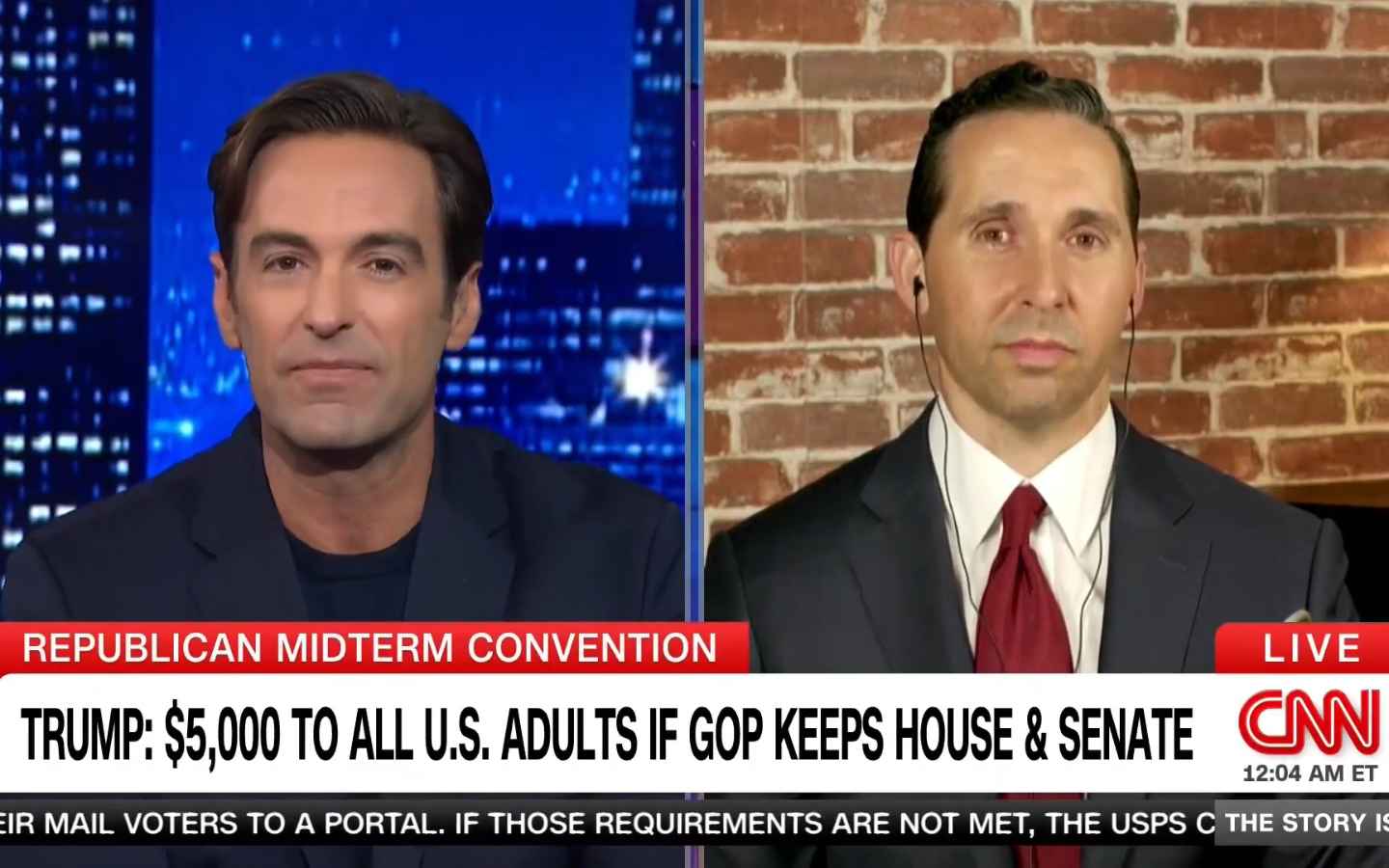
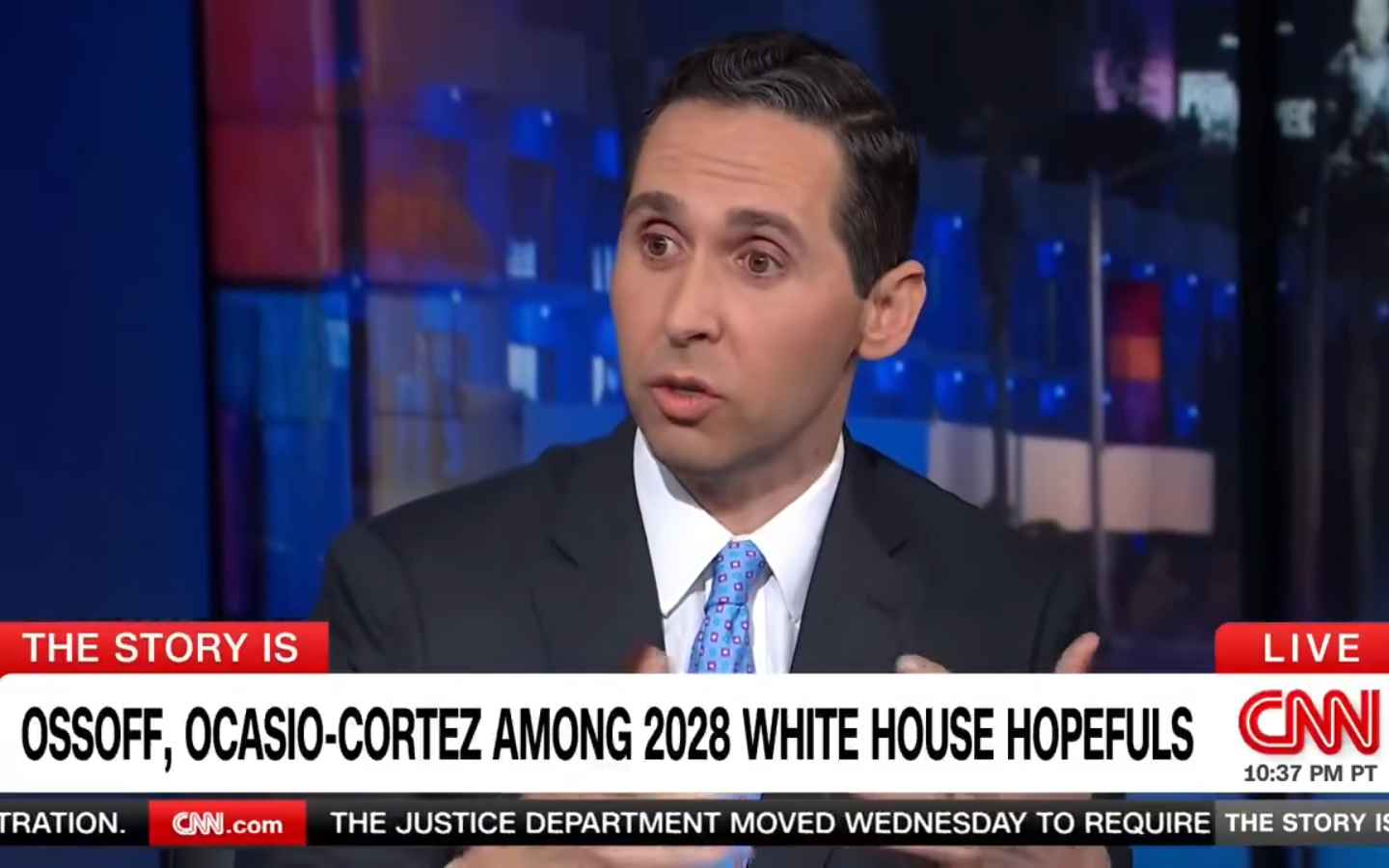
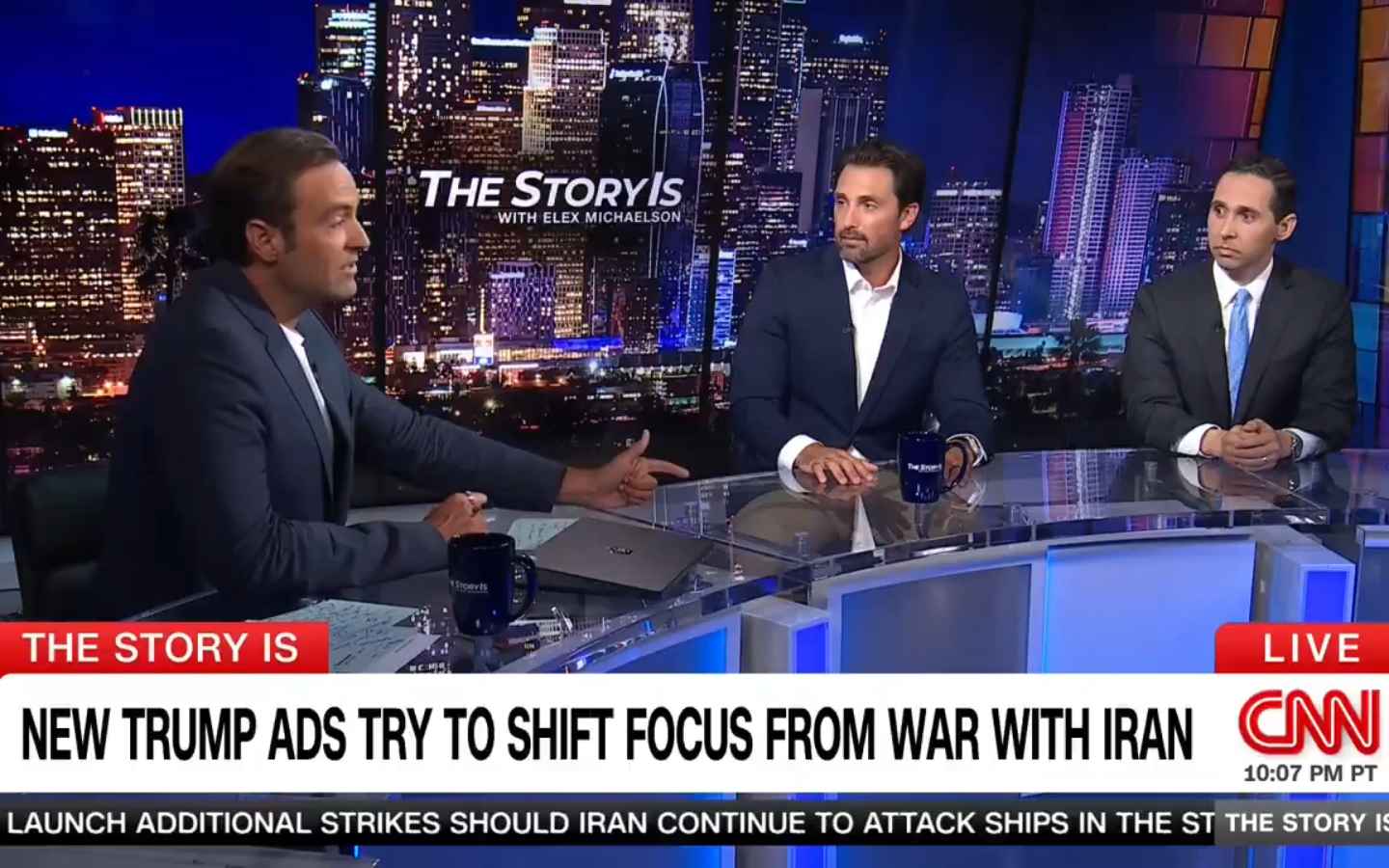
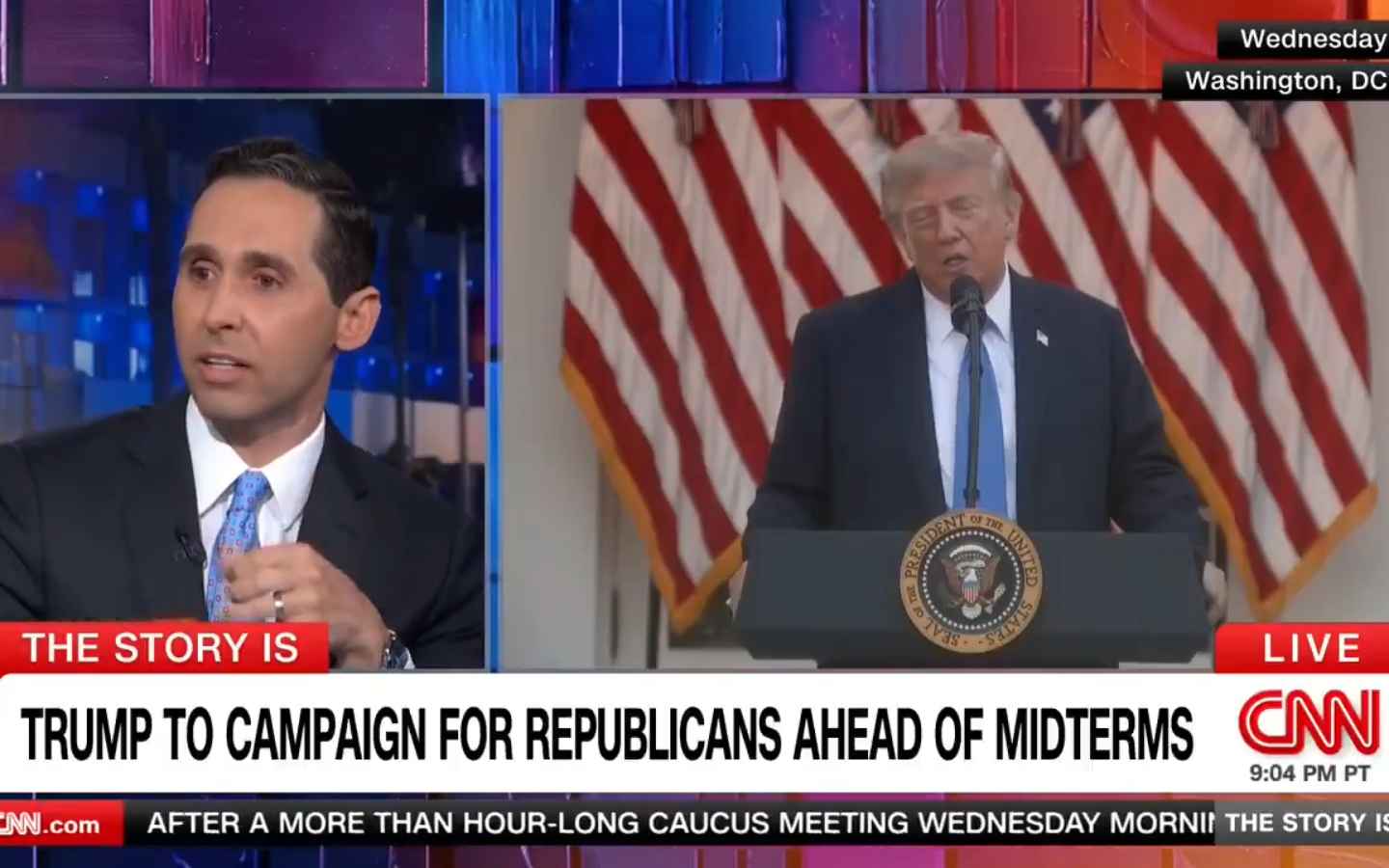
Washington, D.C., June 13, 2026 — In a recent article published by The New York Sun, Nestpoint Managing Director John Thomas weighed in on the growing dispute between the United States and Zambia over a proposed agreement that would tie continued American HIV funding to preferential access to Zambia’s critical minerals.
The report presents the standoff as a stark illustration of how Washington’s foreign-aid posture is changing. For decades, programs like PEPFAR were widely treated as humanitarian initiatives and instruments of diplomacy. The Zambia dispute, by contrast, reflects a more openly transactional approach in which aid is expected to generate strategic returns for the United States.
Thomas argued that this shift should not be treated as aberrational, but as overdue.
“For decades, the United States has given massive aid with very little reciprocity,” Thomas told The New York Sun. “This sets a healthy precedent that United States taxpayer-funded aid must deliver tangible benefits to American interests, whether minerals, security cooperation, or fair trade.”
The article makes clear that the humanitarian stakes are real. Zambia relies on the United States for the overwhelming majority of its HIV funding, and officials there have already warned that treatment interruptions are affecting large numbers of patients. But Thomas’s comments frame the dispute through a different lens — one centered on the principle that American aid should no longer be insulated from broader national interests.
In that sense, the Zambia standoff becomes about more than one bilateral negotiation. It reflects a larger shift in how the United States may define the purpose of foreign assistance going forward. Rather than viewing aid primarily as an act of goodwill or moral obligation, Thomas’s comments suggest it should increasingly be understood as leverage that ought to produce measurable strategic value for the American taxpayer.
The article also places Zambia within a broader geopolitical race over critical minerals, especially as the United States looks for alternatives to Chinese dominance in supply chains tied to energy and advanced manufacturing. That wider context strengthens the transactional logic Thomas is defending: when mineral security, industrial policy, and global competition are all in play, foreign aid is less likely to remain separate from strategic bargaining.
The full article, “Zambian AIDS Patients Pay the Price of Dispute Over America’s Demand for Preferential Access to Minerals,” was published by The New York Sun on June 13, 2026. You can read it here.
About Nestpoint
Nestpoint, with a global footprint and a formidable presence in Washington, D.C., is a leading government affairs, finance, and private equity firm. As a strategic ally, Nestpoint transforms challenges into opportunities through its expertise in policy influence, global networks, and financial innovation, delivering customized solutions for sustained client success. Nestpoint advises multibillion-dollar companies in the manufacturing, energy, and technology sectors as well as foreign nations.