


Markets are Mispricing the Iran Crisis
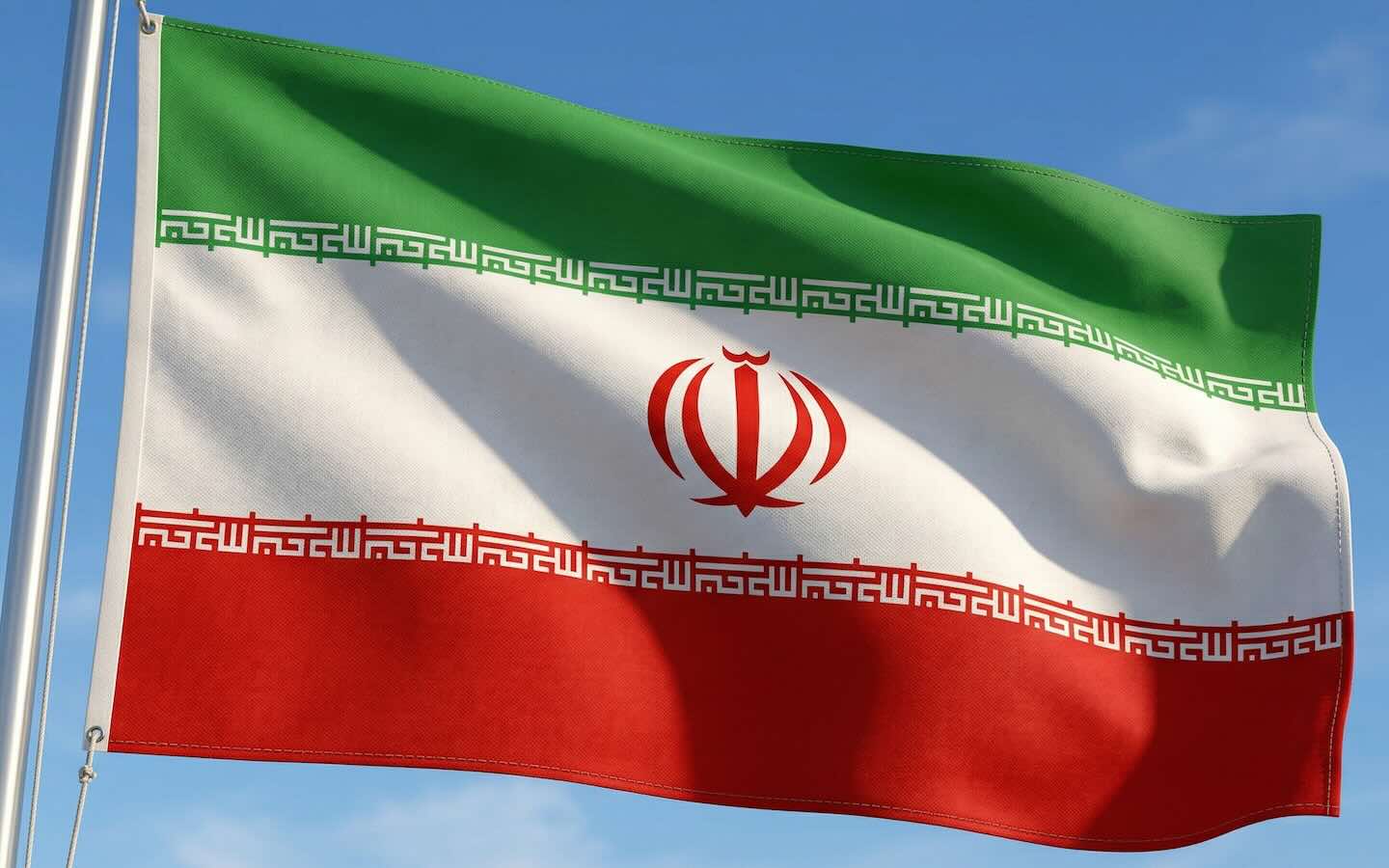
Why Markets Are Mispricing the Iran Crisis
The conflict in the Strait of Hormuz is a structural crisis that equity markets have yet to price correctly.
Nearly one month in, the traditional assumption that US military dominance translates into conflict control, and that domestic political pressure forces course correction, has hit a wall. What looks like a conventional geopolitical standoff is actually an asymmetric structure in which Iran has less to lose and more to gain from every additional week of disruption, while the United States absorbs rising operational, political, and inflationary costs while the broader energy shock is felt deepest across Europe, the Middle East, and Asia.
The Core Problem: Nobody Else Wants This to End
This is not a two-party dispute. It is a four-party arrangement where two, or maybe even three of the four benefit from continuation. That is the core market problem: the side absorbing the most economic pain is not the side that can unilaterally end the crisis.
Iran earns revenue through selective oil exports to China, advances domestic legislation encoding permanent toll authority over the Strait, and strengthens its sovereignty claim with each passing day. Israel benefits from the ongoing destruction of Iranian missile and drone manufacturing capacity. While Gulf states benefit from the elimination of Iranian strike capability against their critical infrastructure, they are also suffering significant economic losses from the closure of the Hormuz straight. They face a political dilemma: anger the US, their closest security partner, or risk deeper conflict with Iran, a permanent neighbor they'll have to live beside long after American forces leave. The United States bears the majority of the accumulating costs (operational costs, inflation pressure, equity volatility, and political erosion) while lacking the ability to unilaterally resolve the crisis.
This incentive structure explains why, within hours of Trump's 10-day bombing pause, the IRGC formally declared the Strait closed and prohibited vessel movement. Israel simultaneously announced escalation. The pause changed nothing operationally.
Markets Have Stopped Believing Washington
The crude oil market tells the story clearly. When the administration announced its first bombing delay, Brent fell 10 percent because markets believed diplomacy was working. When Trump extended the pause 10 more days, the reaction was brief: prices recovered within 12 hours and continued higher, settling above $110.
Markets have learned that unilateral US announcements without corresponding Iranian engagement are delay, not progress. Statements from the administration about negotiations now function as noise. Only explicit Iranian confirmation of talks will move prices.
This is a fundamental inversion of how foreign policy signaling has traditionally worked. The president commands overwhelming military force but lacks control over the outcome.
The Damage Is Already Done, and Recovery Takes Years
Christine Lagarde has warned that expectations for a quick normalization are overly optimistic and that energy disruptions from the conflict could last for years. The damage extends beyond temporary operational disruption to physical harm across extraction facilities, refineries, and distribution networks that cannot be rebuilt immediately.
Even if a ceasefire materializes tomorrow, restoration operates on engineering timelines, not political ones. The bond market has priced this correctly: 30-year Treasury yields are approaching 5 percent, and mortgage rates have surged to 6.38 percent. Equity markets, sitting just 3 percent below pre-war levels, have not.
A Hidden Vulnerability: Semiconductors
Most observers have missed a critical exposure. Qatar supplies roughly a third of the world's helium, and disruption to both output and shipping has raised legitimate concern about downstream semiconductor supply chains. Helium is an essential input for advanced chip fabrication, which means even a seemingly narrow logistics shock can become a broader technology constraint.
If the Strait remains closed into May and June, semiconductor producers begin hitting helium constraints precisely when AI data center buildout is accelerating and quarterly earnings require forward guidance. This supply-side risk sits on top of existing demand-side uncertainty from efficiency gains, creating a worst-case combination for the tech sector at historically extreme positioning levels.
The Optimistic Case… and Where It Might Fall Short
There is a credible counterargument. Weekly consumer spending data remain solid. Airline travel and hotel demand show no systematic deterioration. The case: this is a 4-to-6 week volatility event that ultimately produces decades of Gulf stability.
The problem is that this argument requires several assumptions the evidence contradicts:
It requires Iran to concede on core demands when the current structure rewards Tehran for waiting. It assumes infrastructure can be restored quickly when technical assessments say otherwise. It assumes the Fed can cut rates once oil normalizes, but current Brent levels keep the Fed locked between inflation concerns and growth risks. And it assumes semiconductor production remains unconstrained despite a looming helium shortage.
The spending resilience the optimistic case points to is real, but it reflects where we are in the transmission cycle rather than where we're heading. Consumer behavior typically lags sentiment by 6 to 12 weeks. Housing contract cancellations have already hit 13.7 percent, the highest February reading on record. Goldman Sachs projects energy costs will strip roughly 10,000 jobs per month from the labor market through year-end. The high-frequency data prove we are in the early innings of economic transmission, not that transmission won't occur.
Europe Faces Compounding Pressure
Europe faces a renewed energy shock just as inflation risks are rising again. That complicates the ECB's outlook, raises the risk of stagflation, and leaves the region more exposed to prolonged energy-market dislocation than the United States.
April 6: Decision Point
The pause expires April 6. That is better understood as a military decision point than a diplomatic deadline. Reporting suggests that planning is no longer confined to symbolic signaling; it now includes broader operational options aimed at reopening the Strait.
The choice is binary and unenviable: accept that Iran is successfully building permanent sovereignty infrastructure over Hormuz while the clock runs, or execute ground operations carrying risks of significant casualties, fiscal costs, and escalation risk in a conflict originally framed as limited strikes.
Bottom Line
Equity markets are pricing a temporary disruption. Bond markets are pricing a structural shift. The bond market may be closer to right.
A sustained Hormuz disruption would put roughly one-fifth of global oil supply at risk, which is large enough to move far beyond a normal geopolitical scare. Brent at $110 suggests markets recognize the shock but still may not fully reflect the duration risk. Infrastructure recovery is measured in years, not weeks, and semiconductor supply chains could become a second-order constraint if helium disruption persists. Above all, the incentive structure governing this conflict gives three of four key parties reason to let it continue.
There are no good options remaining, only less bad ones. Decision-makers should plan accordingly.
Sources and Analyst Attribution
Analysis synthesizes frameworks and assessments from Craig Shapiro (Collaborative Fund, positive-carry thesis and quadrilateral structure), Christine Lagarde (European Central Bank President, energy-shock timeline and Europe risk assessment), Jim Bianco (Bianco Research, market psychology and credibility assessment), and Torsten Slok (Apollo Global Management Chief Economist, sentiment versus demand destruction analysis), alongside institutional research from Goldman Sachs (rates analysis and labor market projections), JPMorgan (ceasefire skepticism and supply shock quantification), Nomura (systematic flows and volatility architecture), Bank of America (Fed framework, survey data, and market positioning), Yardeni Research (Eurozone energy crisis assessment), and DataTrek/SentimenTrader (technical levels and positioning indicators).
